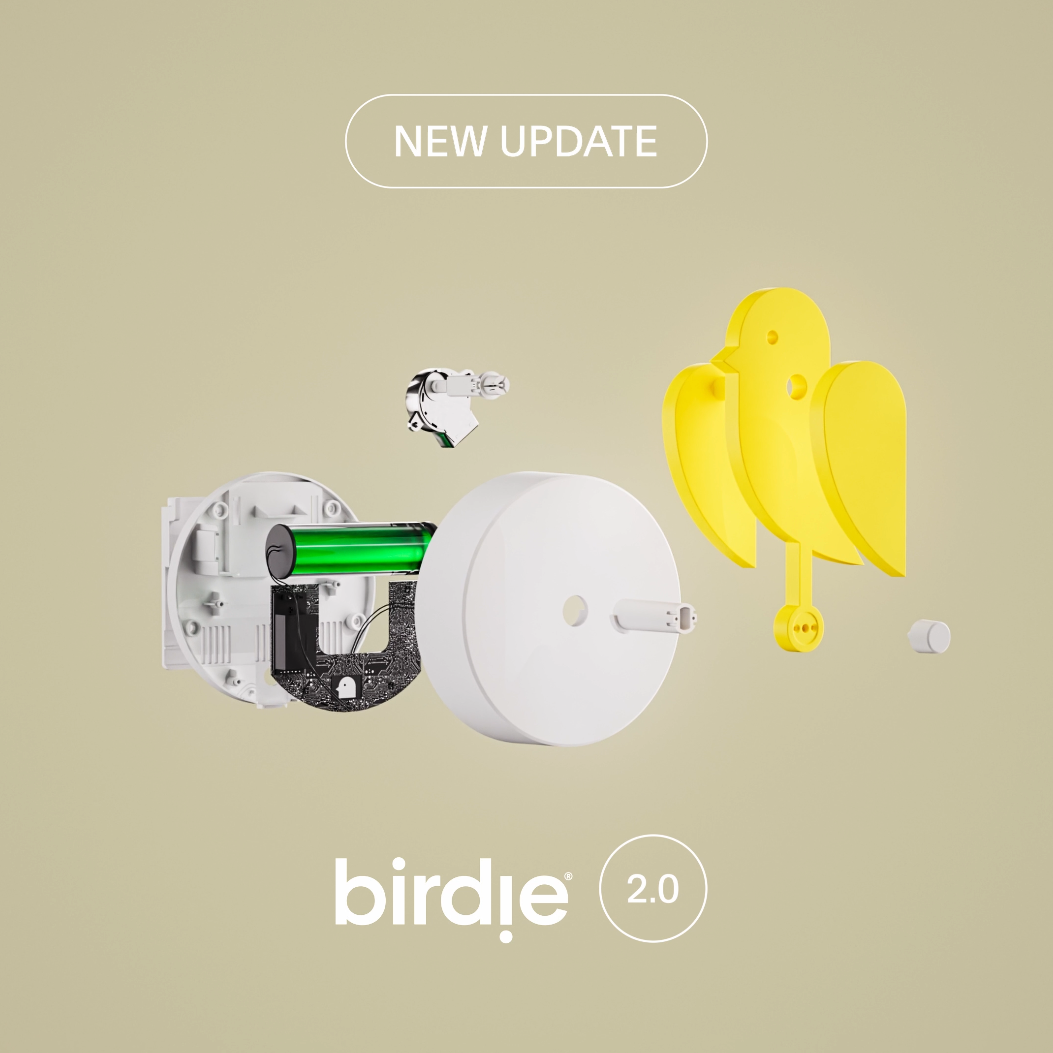


House burping is short, deliberate ventilation that replaces stale indoor air with fresh outdoor air.
Indoor air has become a bigger topic in recent years, and with it, new words have entered the conversation. One of them is house burping, a phrase that has started showing up in headlines, social media posts, and everyday discussions.
The habit behind the term isn’t new, but the attention is. Some people describe it as burping the house, because it captures the idea of letting built-up air out in a quick reset. Before getting into why it’s suddenly everywhere, it’s worth looking at what people mean when they use it.
What does “house burping” mean?
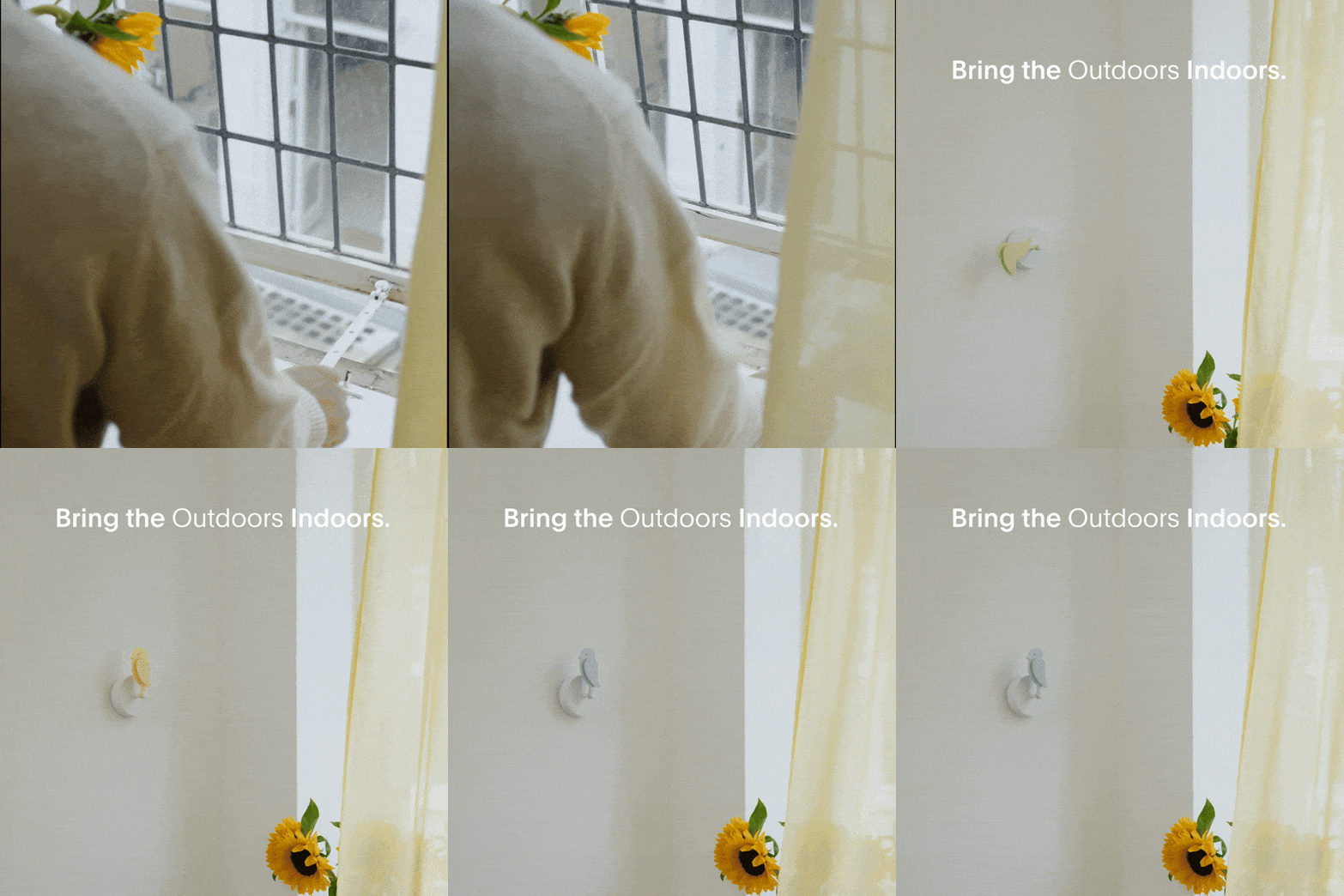
House burping refers to the simple practice of opening windows and doors to briefly replace stale indoor air with fresh outdoor air, typically by creating a strong, short-lived airflow through the home. In other words, burping your house means letting built-up air escape rather than keeping it trapped inside.
The term itself is relatively new and has been popularized through recent media coverage, where it’s used to describe an everyday ventilation habit in a more visual and memorable way, as explained by The Guardian. Instead of framing ventilation as a technical or mechanical process, burping a house presents it as a natural reset. A quick exchange that clears the air and then allows the home to return to normal.
What matters here is the action, not the label. House burping isn’t a special technique or a new health hack. It’s simply a way of talking about deliberate, temporary ventilation without turning it into a complex system or a permanent state.
Why is “house burping” suddenly everywhere?
The practice itself isn’t new, but the language around it is. Giving a familiar habit a distinct name has made it easier to talk about, share, and recognize, and that alone creates momentum. When something ordinary is framed in a new way, it tends to travel quickly, especially in media environments that reward clear concepts and catchy terminology.
At the same time, awareness of indoor air has increased in the years following the pandemic. People spend more time thinking about the air they breathe indoors, and conversations about ventilation, freshness, and air circulation have become more common. In that context, house burping works as a simple label for an action many already do, but perhaps never named.
Media coverage has played a central role in accelerating the trend. When major US media outlets like The Washington Post describe and contextualize the habit, it shifts from being an everyday behavior to something that feels newly relevant. What spreads isn’t a new way of living, but a new way of noticing and talking about an old one.
An old European habit: From German “lüften” to Nordic ventilation
In much of Europe, the idea behind house burping has long been routine rather than remarkable. In Germany, the practice is commonly known as lüften, a daily habit of opening windows fully for a short period to refresh indoor air. It’s typically done regardless of season, often by creating a brief cross-draft that clears the space quickly before windows are closed again, which is exactly what people mean when they talk about lüften in everyday life.
Similar approaches are widespread across Scandinavia and other parts of Northern Europe, where short, intentional ventilation has been part of everyday home life for generations. The goal has never been to keep windows open indefinitely, but to exchange air efficiently and then move on with the day.
Seen from that perspective, house burping isn’t a reinvention but a reframing. What is now gaining attention elsewhere has long been treated as completely ordinary in Europe, not as a health trend or a lifestyle statement, but simply as a practical way of managing indoor air.
Does opening windows actually improve health?
At its core, house burping is about air exchange. Indoor air naturally accumulates pollutants over time, from everyday activities like cooking, cleaning, and simply breathing. Brief, effective ventilation reduces that buildup by actively diluting and removing indoor-generated pollutants, replacing used air with fresh outdoor air and lowering the overall concentration indoors.
This isn’t just a matter of comfort or preference. Peer-reviewed research on ventilation and health shows that increasing air exchange is one of the most reliable ways to improve indoor air quality and reduce exposure to substances that can affect wellbeing. The benefits are often most noticeable in occupied spaces, where air changes slowly and pollutants build up faster. The key point is not how long windows stay open, but that stale air is replaced on purpose. House burping works because it interrupts accumulation, rather than allowing indoor air to linger indefinitely.
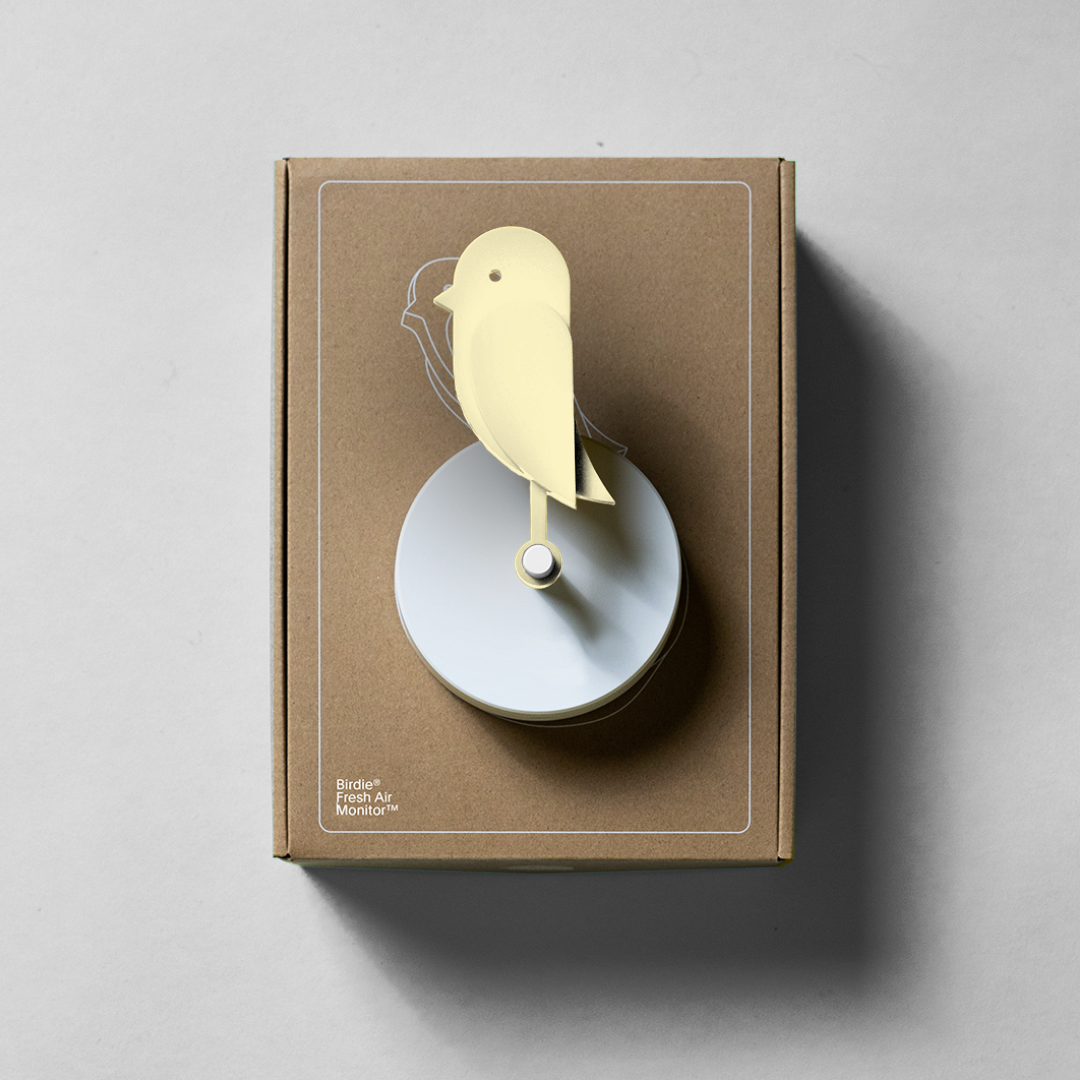
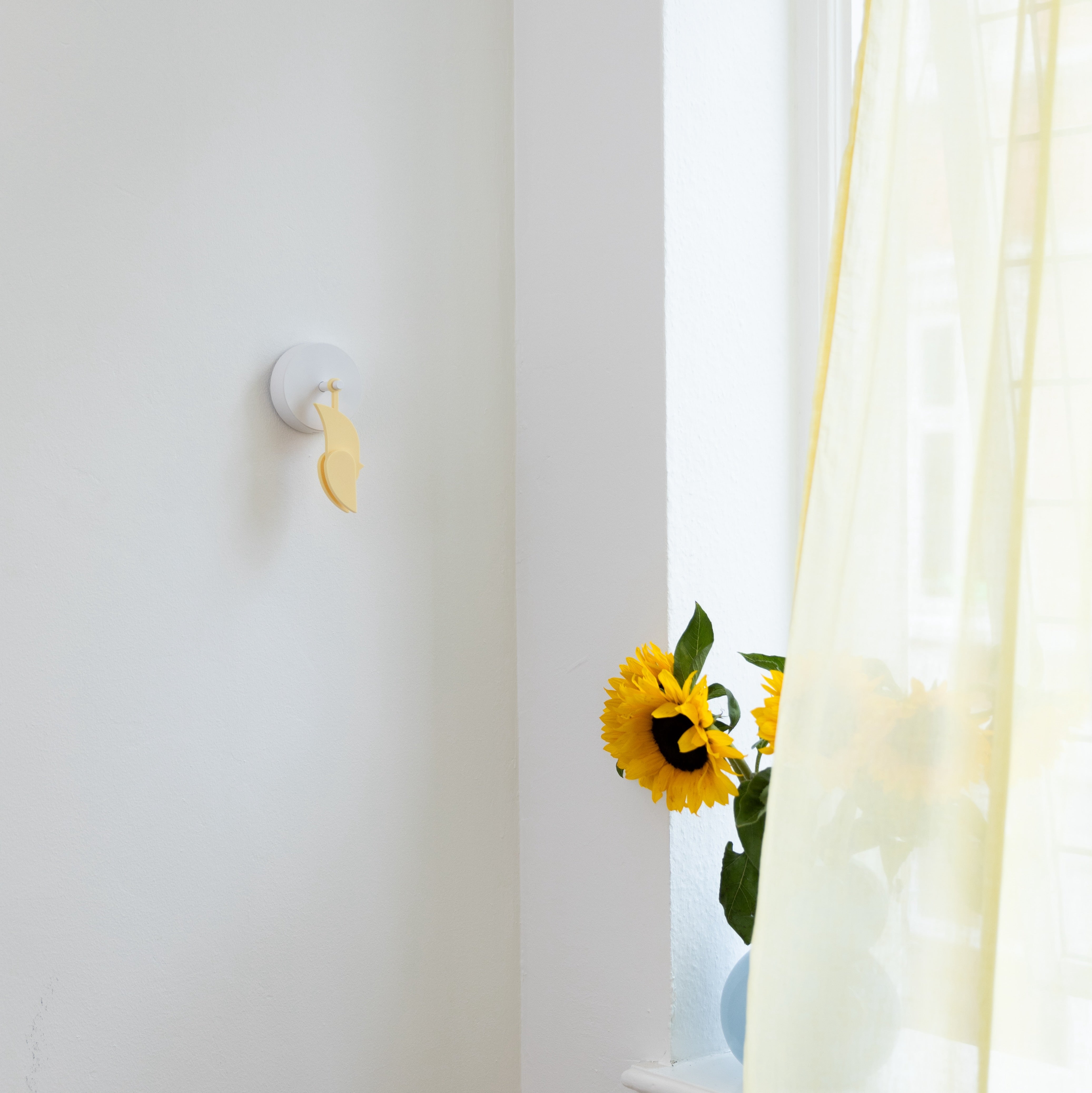
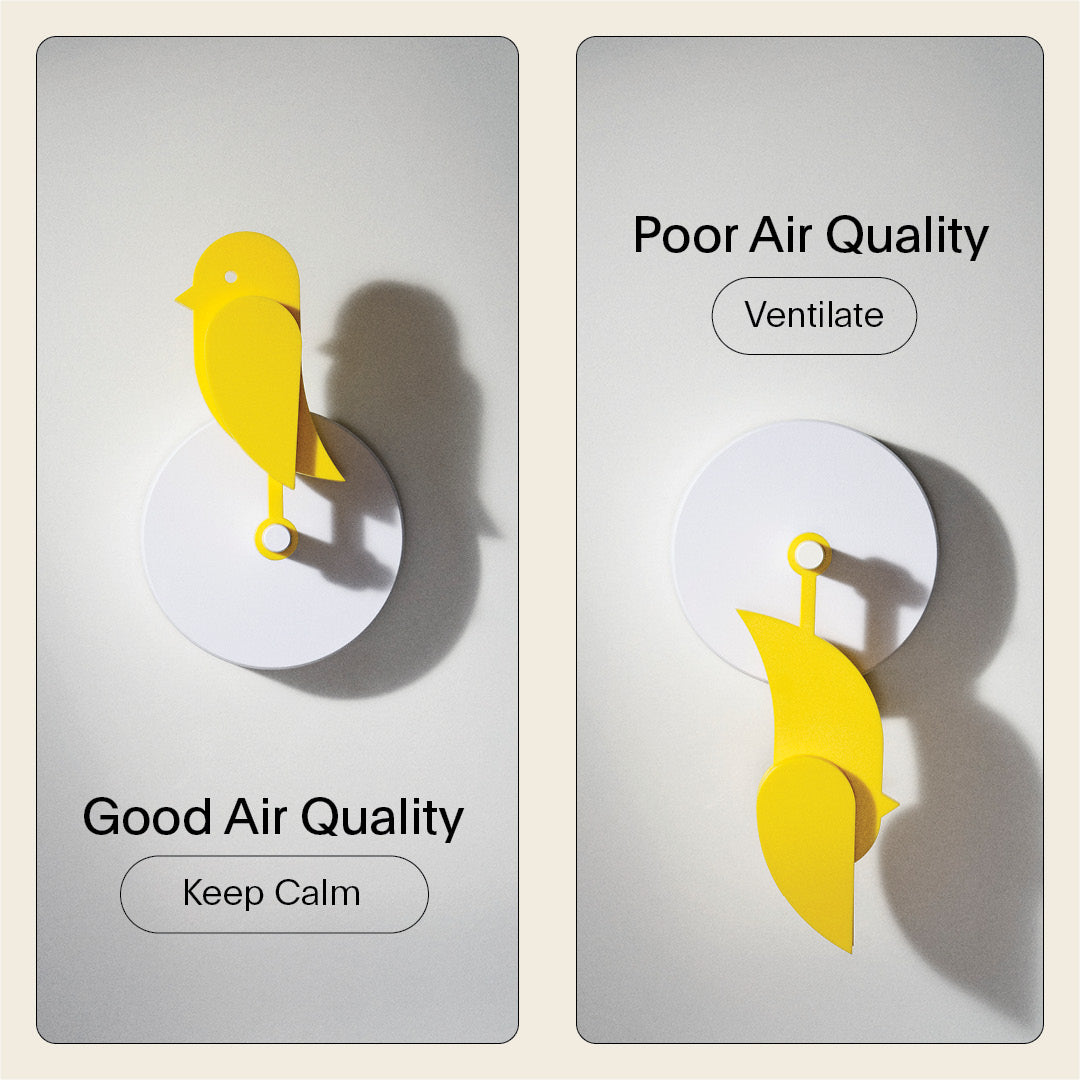
Because the effect of ventilation depends on factors like room size, occupancy, and baseline air quality, short bursts of fresh air don’t always have the same impact everywhere. Tools that monitor indoor air quality over time, such as Birdie, make it easier to see whether ventilation actually changes conditions in a specific home rather than relying on fixed timings or assumptions.
When house burping doesn’t make sense
Like any habit, house burping depends on context. Opening windows is not automatically beneficial if the air outside is heavily polluted or otherwise unhealthy. During periods of poor outdoor air quality, such as wildfire smoke events or high urban pollution, bringing outdoor air inside can introduce more problems than it solves.
In these situations, timing matters. Understanding outdoor air quality and AQI levels becomes more important than following a fixed ventilation routine. House burping is about intentional air exchange, not blind adherence to a trend, and knowing when not to ventilate is just as much a part of managing indoor air as knowing when to let fresh air in.
If you want to go deeper
House burping works as a simple concept, but ventilation doesn’t stop at terminology. For those who want a more practical understanding of how air exchange typically works in everyday homes, Birdie has already covered effective ventilation habits in depth, without turning it into a rigid routine.
There’s also a close connection between ventilation and indoor air composition. Articles on maintaining healthy indoor CO₂ levels explore how air exchange affects what builds up indoors over time, and why fresh air plays a role in keeping indoor environments balanced.
House burping is a new name for an old habit
House burping isn’t a new method of ventilating homes. It’s a new label for deliberate ventilation. What it has done is give a familiar habit a name that travels easily and invites attention. By framing something ordinary in a new way, it has made indoor air part of a broader conversation again.
In that sense, the trend isn’t about changing behavior as much as recognizing it. The habit was already there. What’s new is the language and the awareness that comes with it.



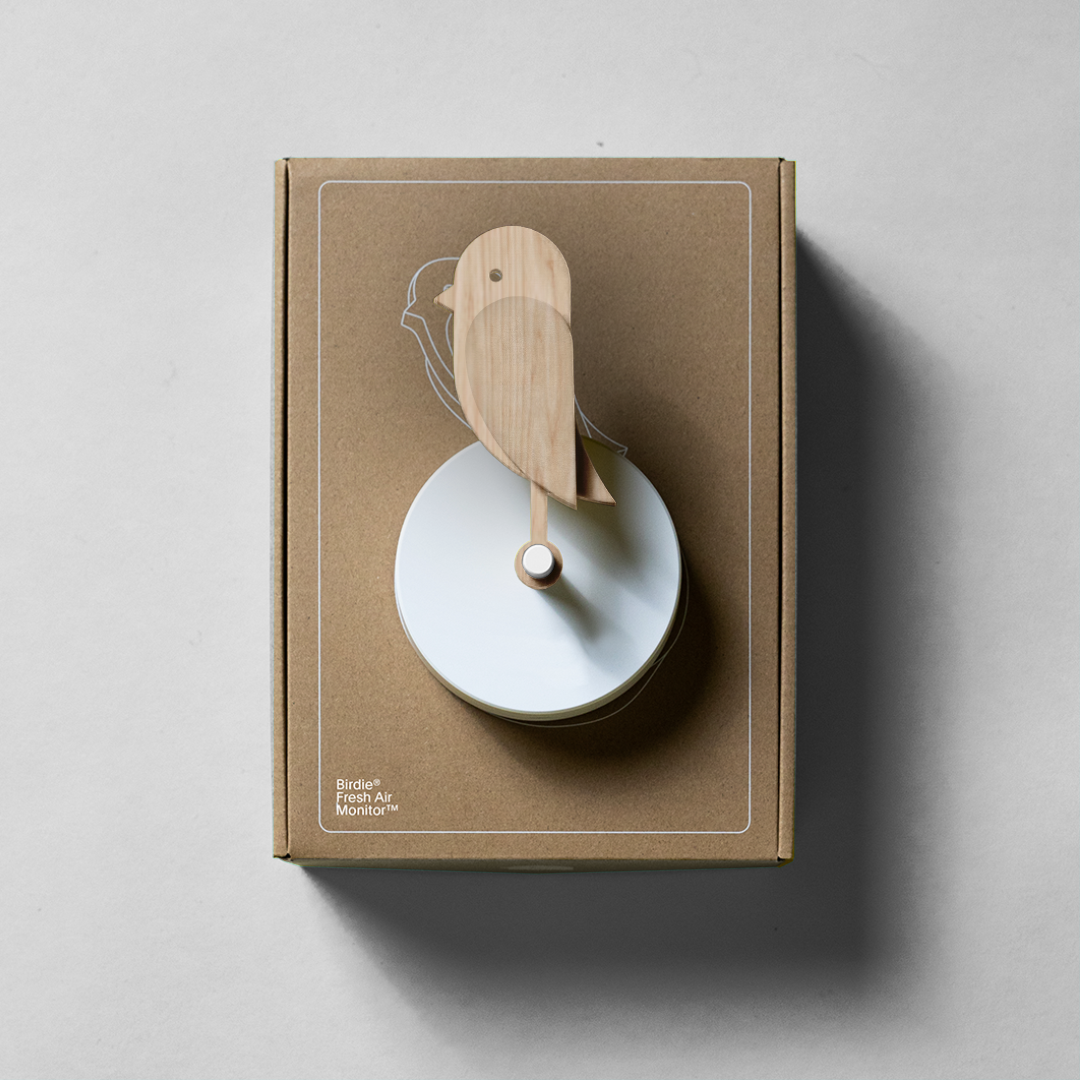
![Birdie® 2.0 - Japanese Maple™ [Limited]](http://birdie.design/cdn/shop/files/jp_maple_on_packaging.png?v=1763650901&width=2160)
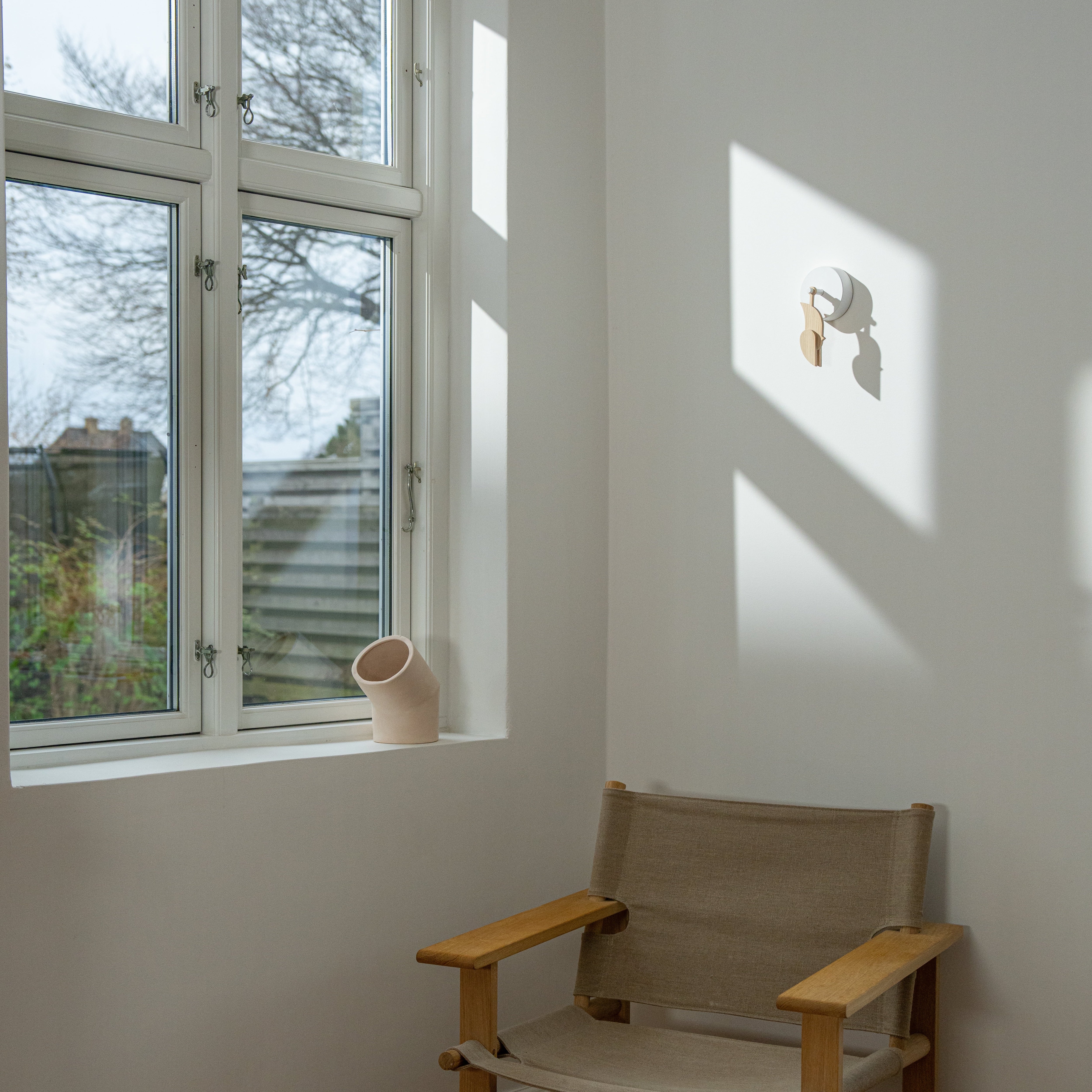
![Birdie® 2.0 - Japanese Maple™ [Limited]](http://birdie.design/cdn/shop/files/Tegnebraet_2.jpg?v=1763650901&width=3903)