
Perché dovresti preoccuparti della muffa
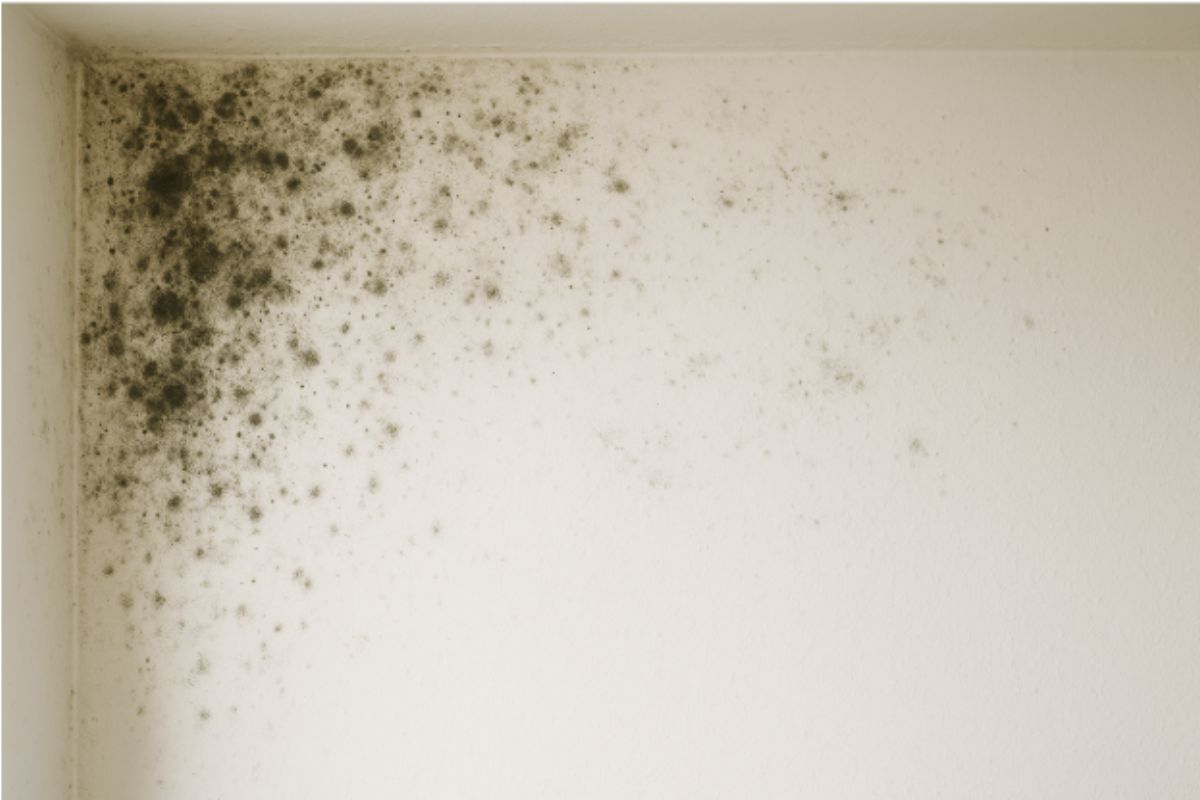
Mold can range from an eye sore to a genuine health hazard. There are thousands of different types of mold, and mold spores are invisible to the eye. They do however thrive in warm, damp, poorly ventilated environments like bathrooms, kitchens, basements, and even behind furniture. While a little moisture is normal in any space, too much humidity or condensation creates the perfect breeding ground for mold, and that can silently affect your health, comfort, and even the physical integrity of your home.
Cosa causa la crescita della muffa?
Mold needs just three things: moisture, warmth, and a surface to grow on. That means with stagnant and damp air, you’ve unfortunately got the ideal mold habitat. Mold spores (which are everywhere, all the time) can settle and spread fast, sometimes within 24–48 hours.
The most common reasons for mold growth are:
- Docce calde e bagni lunghi senza sufficiente ventilazione.
- Cucinare senza usare la cappa aspirante.
- Asciugare vestiti in casa.
- Poor insulation and leaks leading to cold surfaces and condensation.
- Umidità costantemente superiore al 60%.
“Mold is a sign of imbalance in your indoor environment, not just a cleaning problem.”
— Dr. Harriet Burge, Environmental Microbiologist, Harvard School of Public Health
Perché la muffa influisce sulla nostra salute?
When mold is present, it’s not just an eye sore, it becomes a breathing issue and a genuine health hazard. Mold releases tiny spores and microbial volatile compounds (that’s the musty smell) into the air. When inhaled, they can irritate your airways and trigger symptoms such as nasal congestion, coughing, sore throat, worsened asthma, headaches, fatigue, or irritated skin.
Mold isn’t something to be taken lightly either. Over time, these symptoms can persist or worsen, especially if you’re sensitive to or have existing respiratory conditions. If you are struggling with any of these symptoms, don’t hesitate to contact a healthcare professional.
Come posso evitare la muffa?
Ok, so clearly none of us want mold ruining our indoor climate or our health, but can we practically and consistently prevent it? The answer is yes but it isn’t a one and done fix. You always need to keep the conditions which lead to mold growth in check.
Here’s a quick checklist of tried and tested ways to reduce the risk of mold developing in your space:
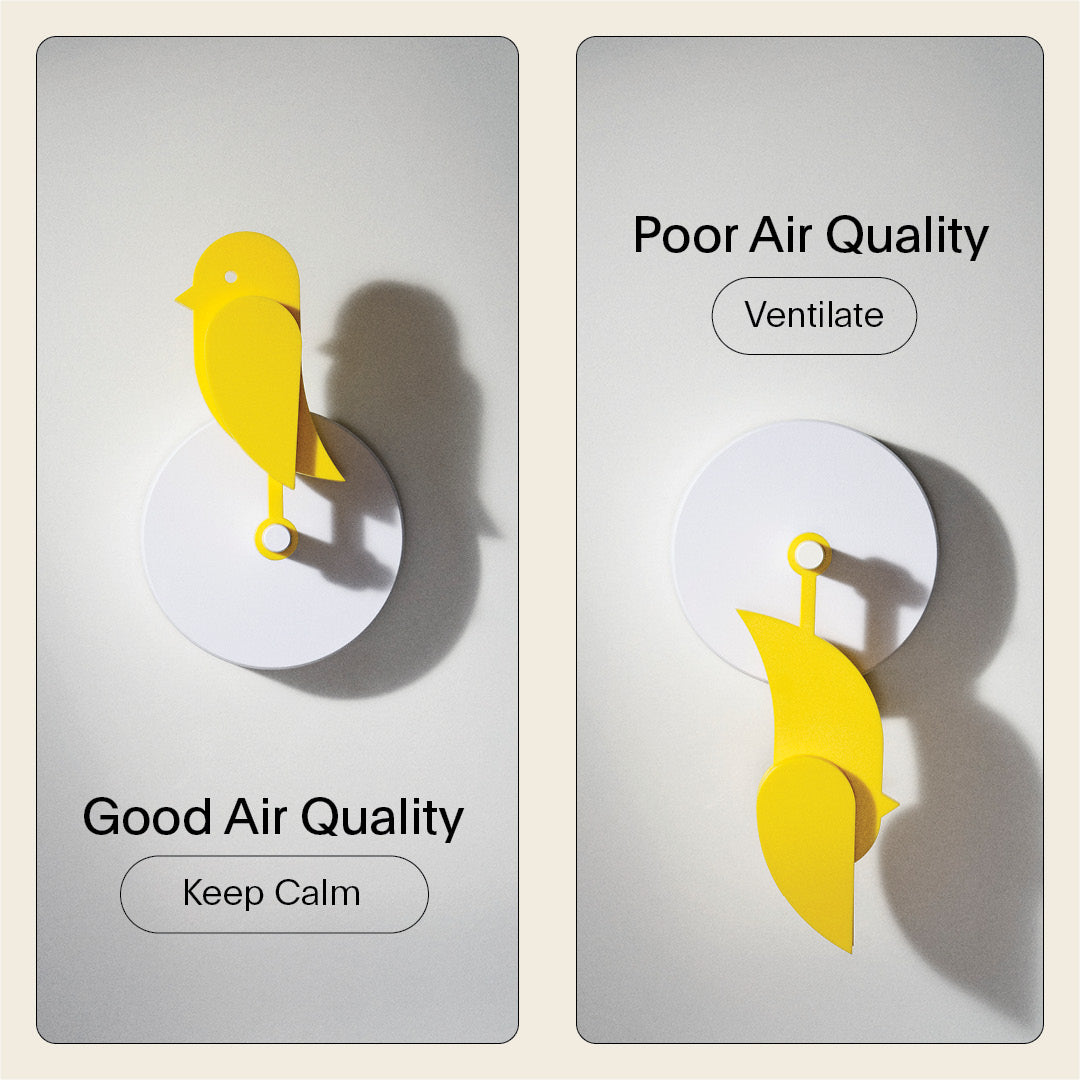
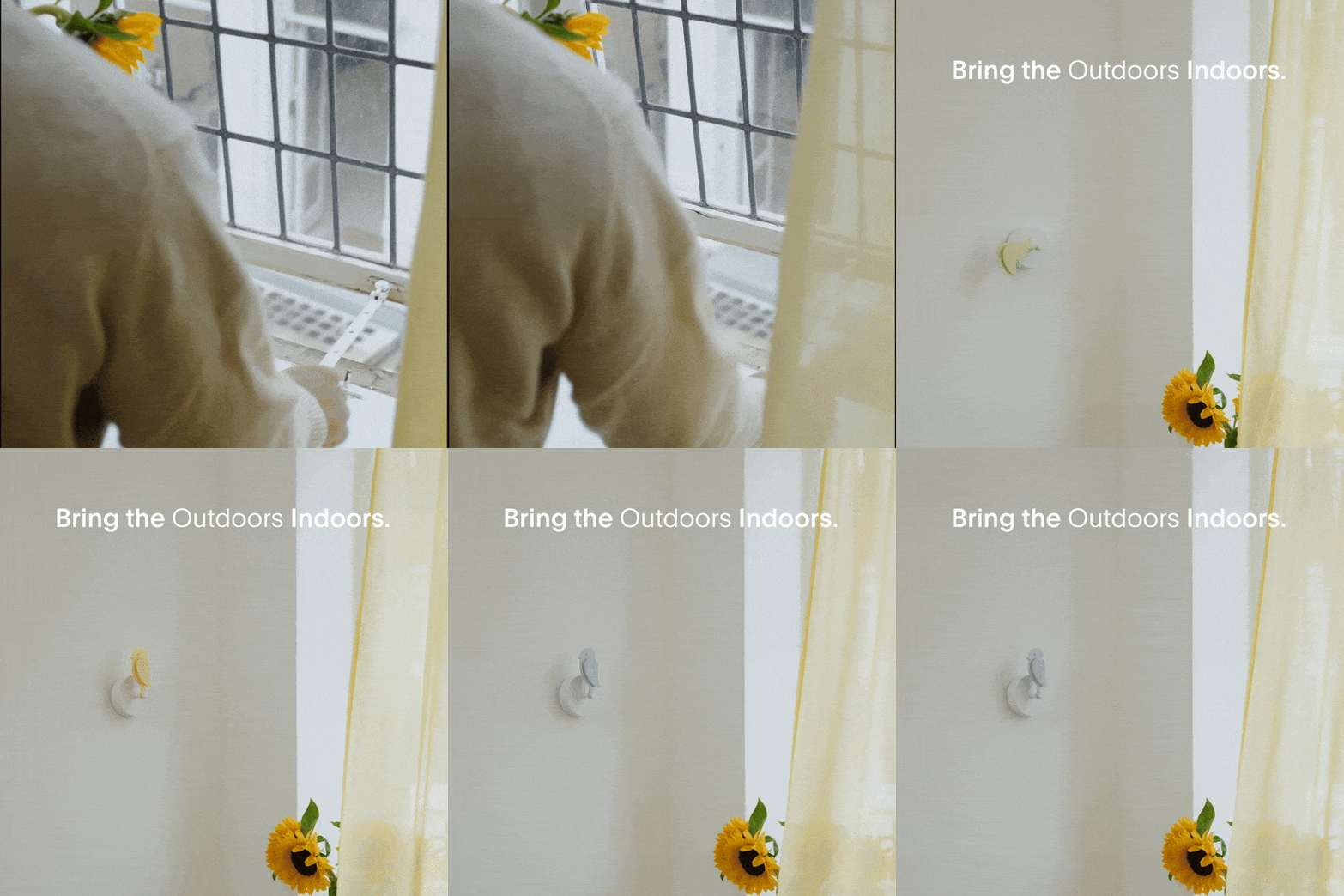
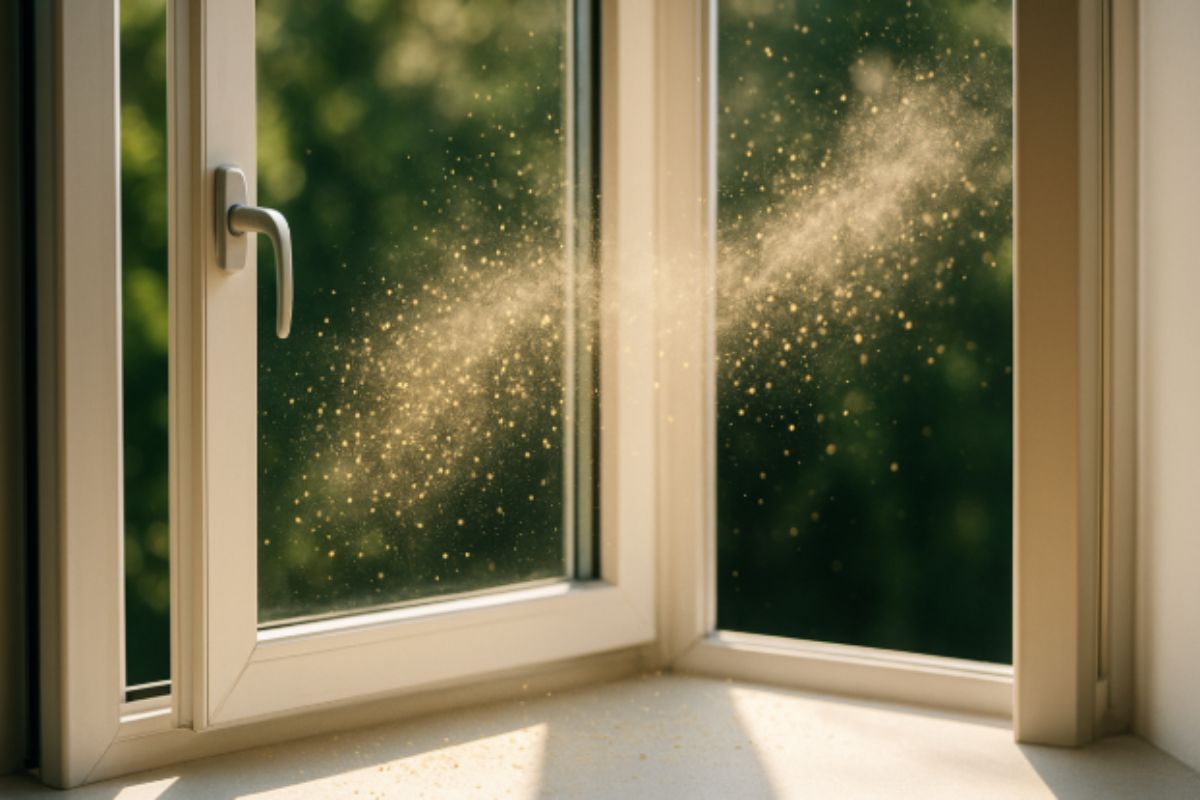
💨 Ventilate by opening windows for short bursts, especially after showering, cooking, or drying laundry.
🚿 Use fans in the bathroom or kitchen during and after use.
💧 Control humidity by keeping it between 40–60%; use a dehumidifier if needed (but avoid using in the bathroom).
🧼 Remove moisture by wiping condensation and check corners for early signs of mold, such as dark spots or fuzzy patches.
🧺 Dry clothes outdoors or in a room with low humidity instead of already damp environments indoors.
Important note: Avoid using dehumidifiers in bathrooms or other wet areas for safety reasons, as the combination of water and electrical components can be hazardous.
💡 Tip from Birdie: Leave a small gap between walls and furniture to let air circulate. Mold loves dark, hidden corners!
Come posso sbarazzarmi della muffa?
Firstly, every mold problem has a solution, it’s not a life sentence. Mold can appear in colors like green, white, gray, or black, so if you see those colors where they shouldn’t be, it’s safe to say mold is present. If you see black mold, it’s worth considering contacting a mold professional as it can be more serious and might require more care to remove safely. For other types of mold, you can clean small areas safely by wearing a mask and gloves to avoid breathing mold spores, using soap and water or a mild household cleaner, ensuring plenty of ventilation, and washing and changing clothes afterward. Finally, ensure others aren’t using the space or others near it during cleaning and for at least a short while after.
Cos'è un buon clima indoor?
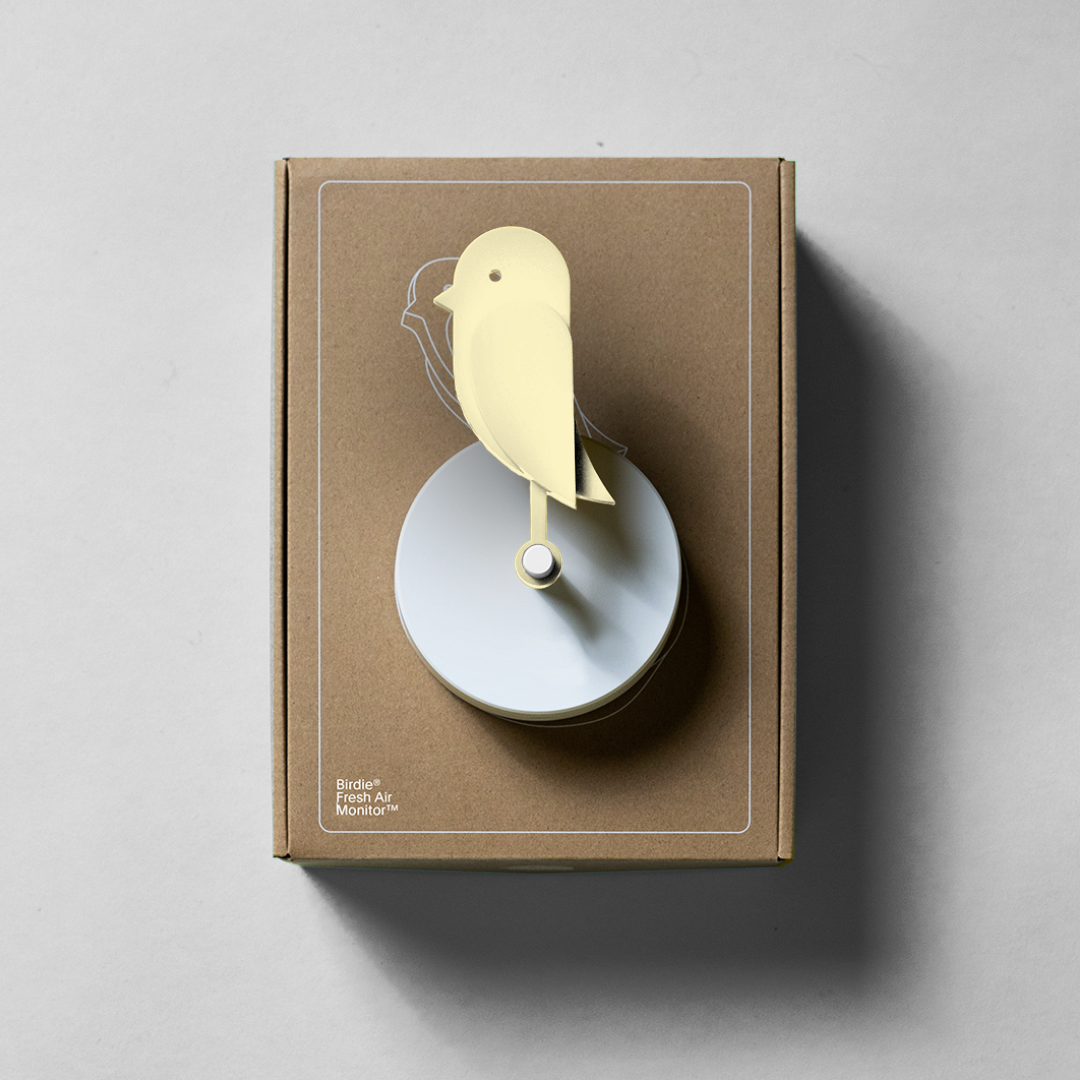
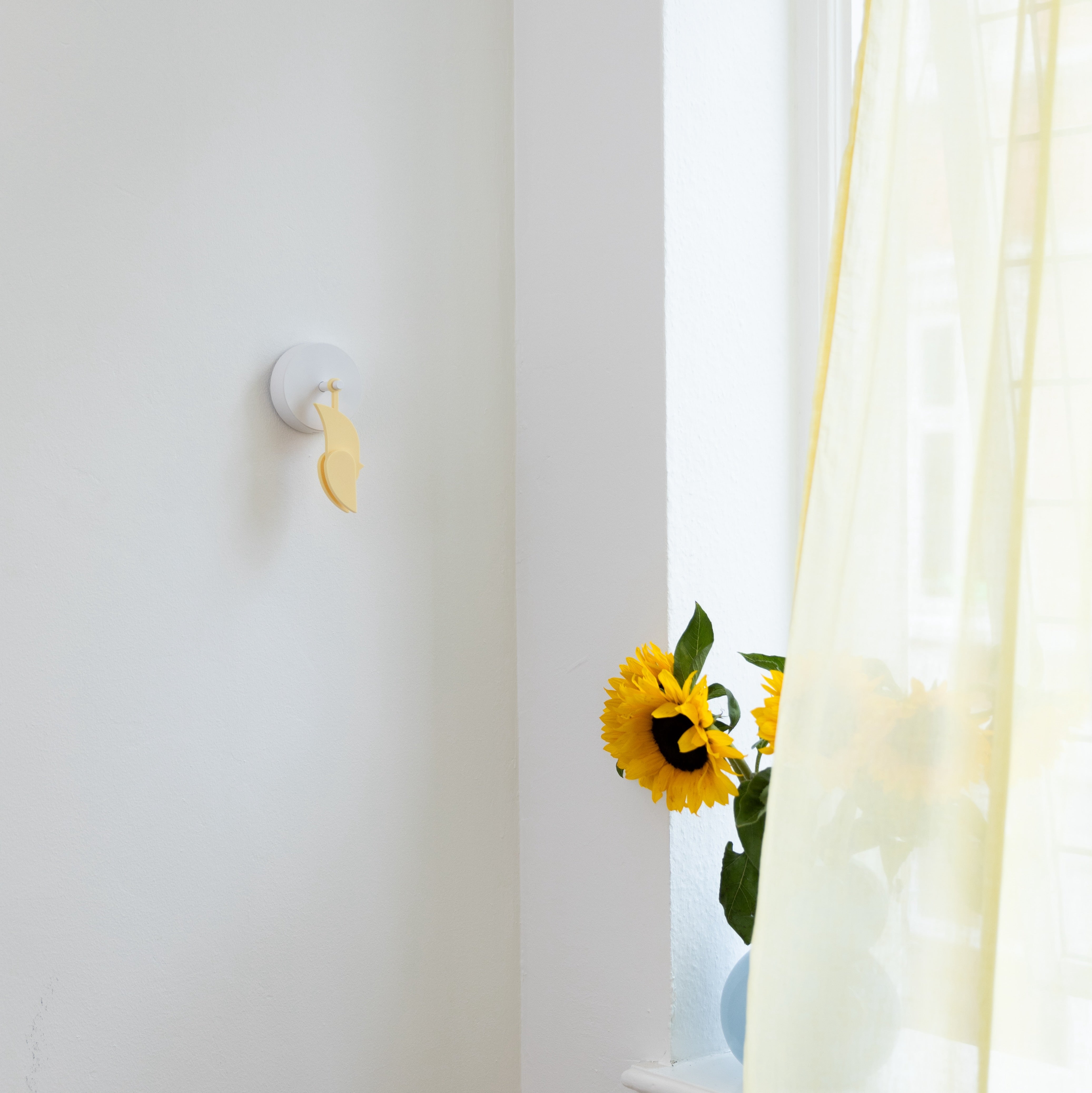
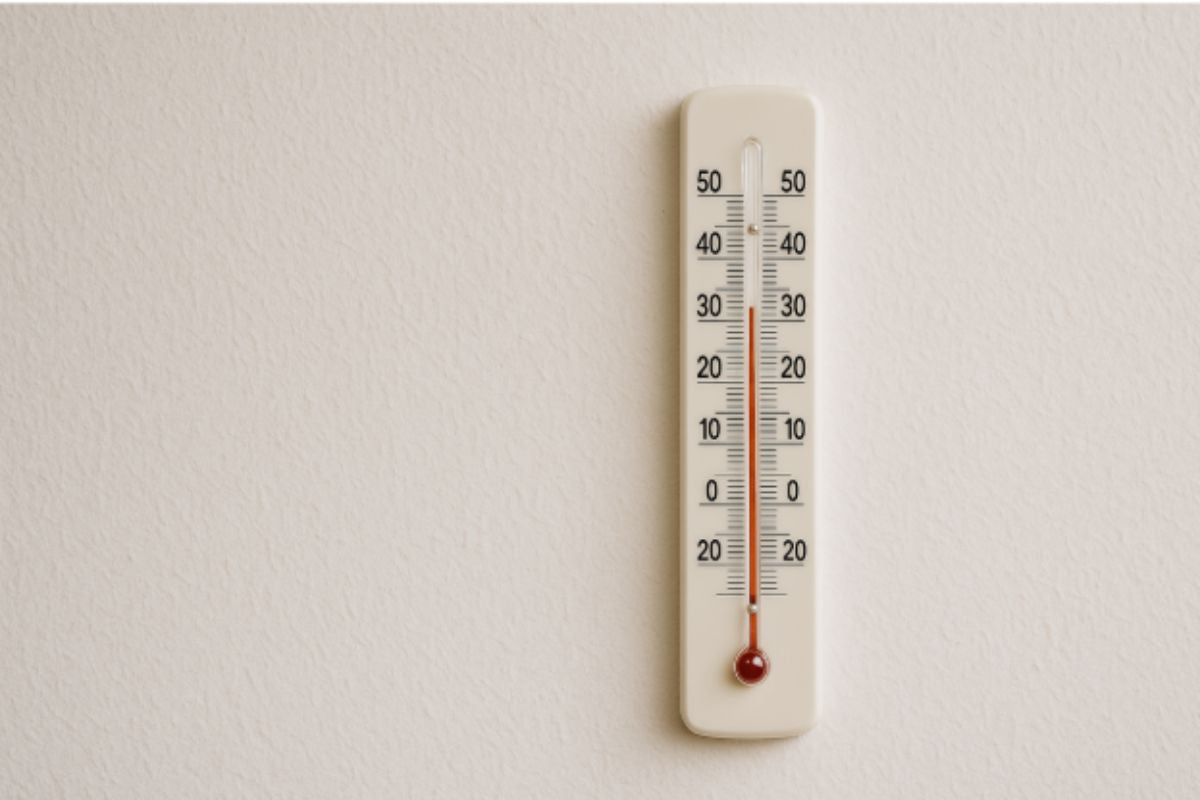
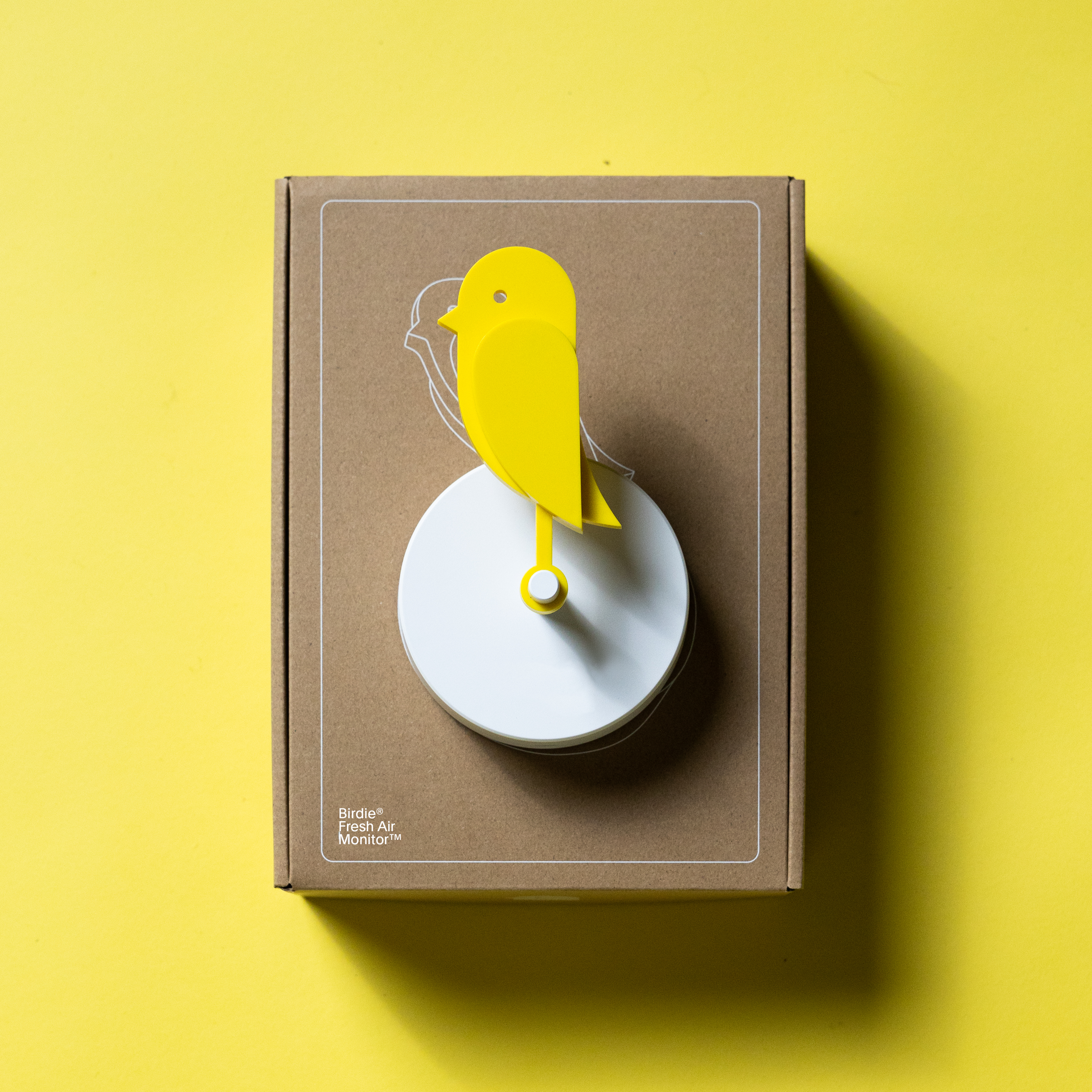
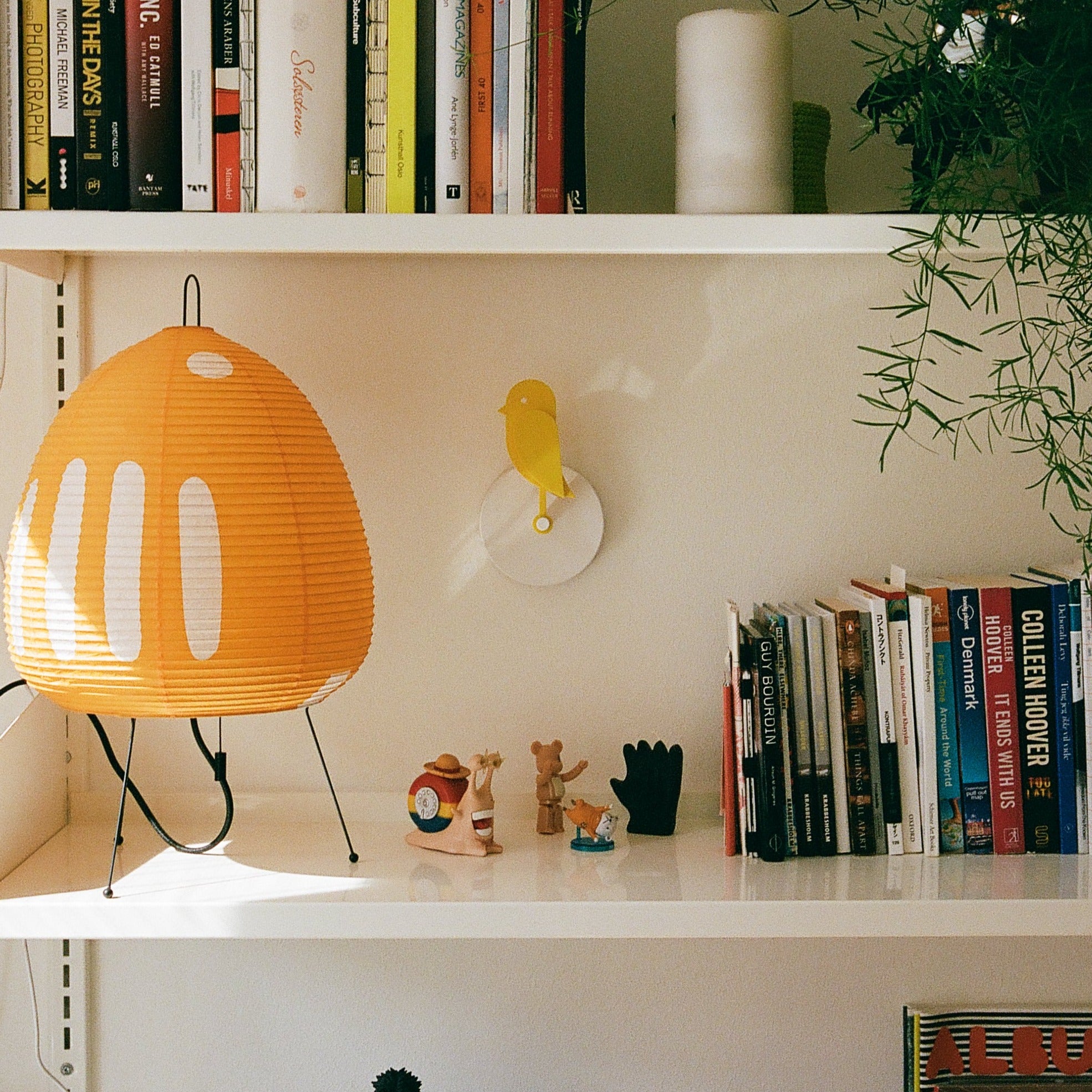
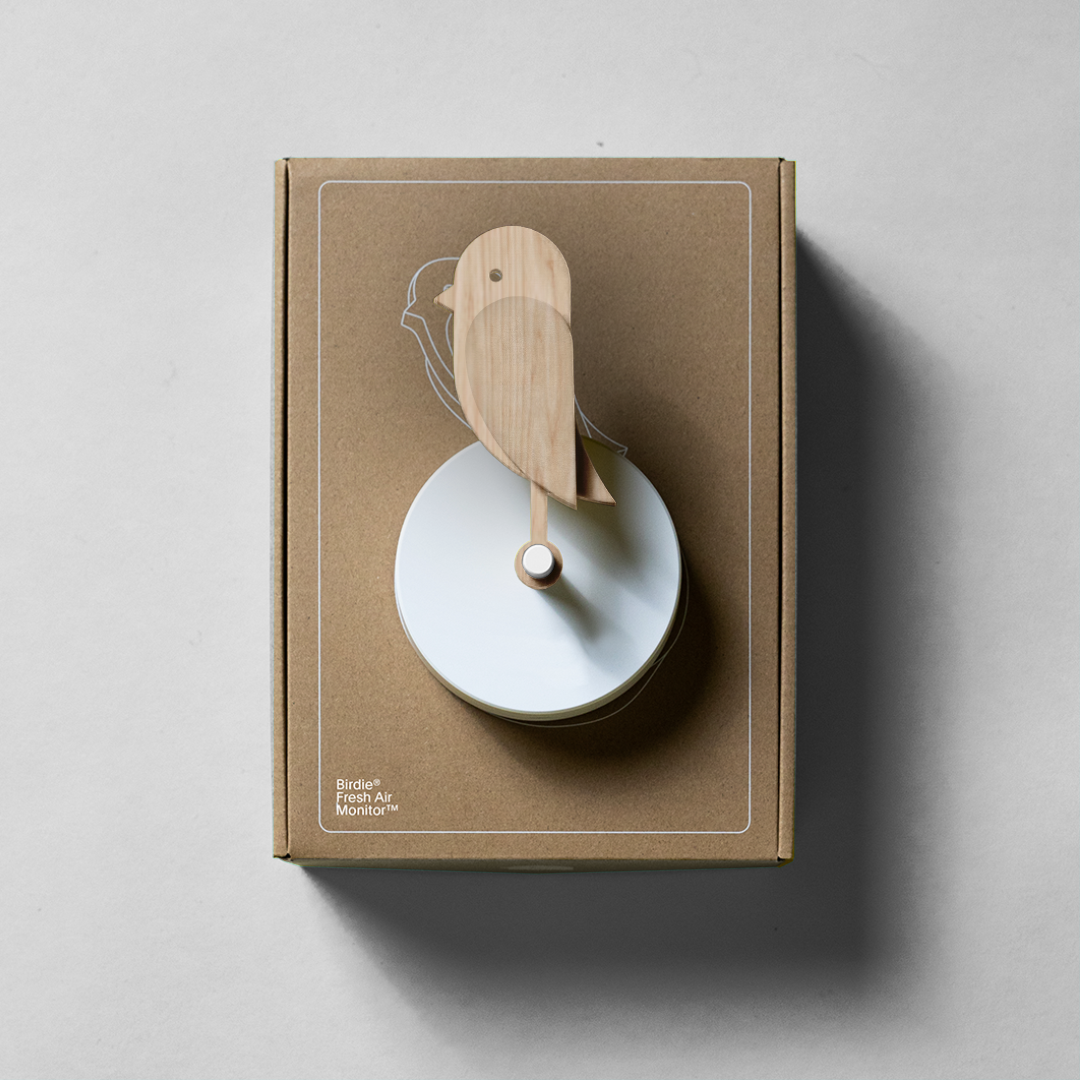
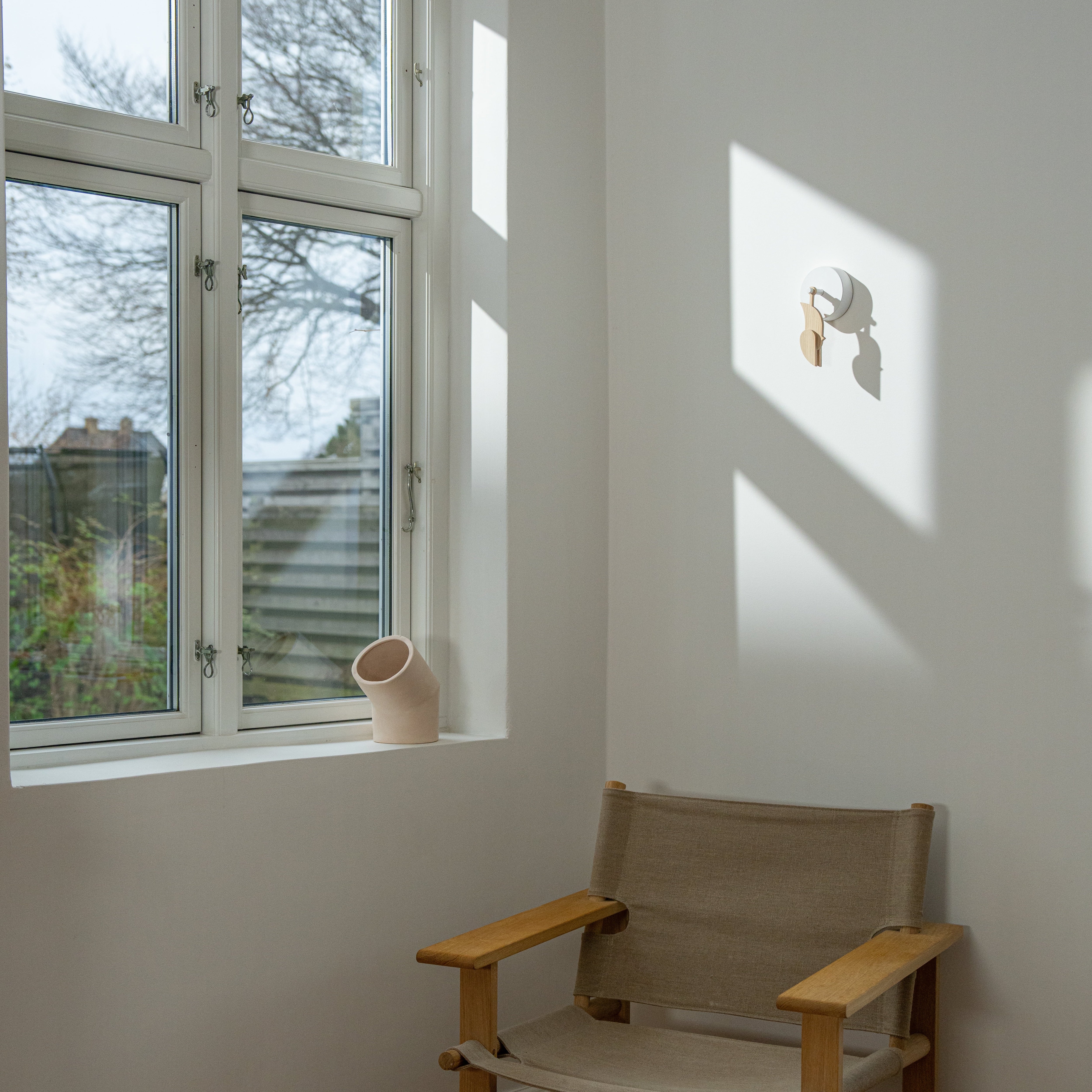
In scientific terms, a good indoor climate maintains CO₂ below 1,000 ppm, temperature around 20–23 °C or around 17°C while sleeping, humidity between 40–60%, low pollen levels, and minimal outdoor pollution getting indoors. But in human terms, a good indoor climate is a great feeling and a rejuvenating space where you experience clarity, comfort, and a sense of ease. It’s normal to get caught up in day-to-day life and forget how invisible factors like CO₂, temperature, and humidity affect how we feel; out of sight after all, means out of mind. Birdie® helps remind you to keep both your indoor climate and yourself fresh.
![Birdie® 2.0 - Japanese Maple™ [Limitato]](http://birdie.design/cdn/shop/files/jp_maple_on_packaging.png?v=1763650901&width=2160)
![Birdie® 2.0 - Japanese Maple™ [Limitato]](http://birdie.design/cdn/shop/files/Tegnebraet_2.jpg?v=1763650901&width=3903)